Grey Skies, Real Sunscreen: A 2026 UK Office-Day Reapplication Playbook
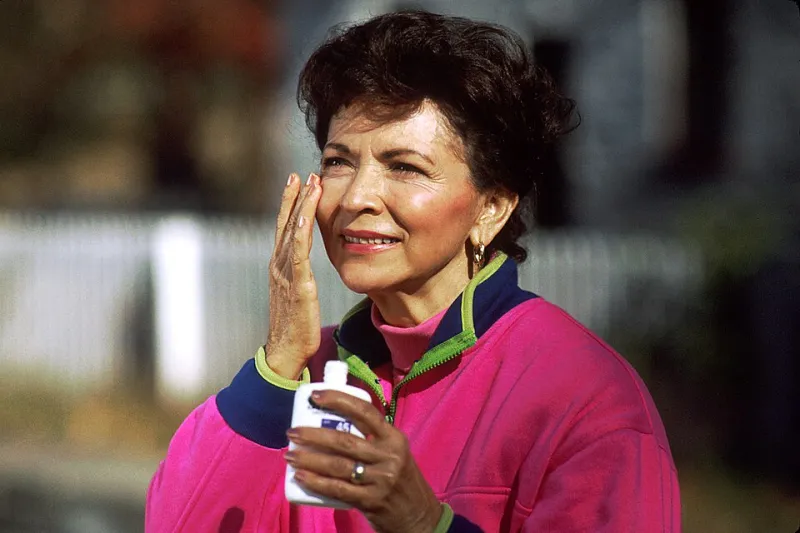
Photo: Bill Branson (photographer), Public domain, via Wikimedia Commons
The British sky is a poor gauge of ultraviolet radiation. A soft grey morning can still deliver UVA through cloud, and an office day can add exposure through a window seat, a lunchtime walk and a crowded commute. The very British instinct to treat sunscreen as a beach product is understandable, but it is not a sound basis for a 2026 routine. Cloud cover filters some UV; it does not switch it off.
This is not an argument for performing a full reapplication ritual at your desk every two hours. It is an argument for matching the method to the day. A commute, a sandwich run and a weekend walk have different exposure profiles. The realistic playbook below separates what is worth doing from what merely looks diligent.
The Cloudy-Day Myth, Precisely
Cloud can reduce UVB more than UVA. UVB is the main cause of sunburn; UVA penetrates deeper and contributes to pigmentation, photoageing and DNA damage. That distinction matters because a cloudy day may feel harmless while still delivering enough UVA to matter over years. Thin or broken cloud can also scatter radiation, and in some conditions exposure at ground level can be higher than expected.
The Met Office UV index is a better guide than the colour of the sky. In the UK, UV is generally strongest from April to September, but UVA is present year-round. Snow, altitude and reflective surfaces increase exposure. A grey January day in Leeds is not the same as a bright June lunchtime in London, and the playbook should reflect that difference rather than treating every day as identical.
What Reapplication Has to Achieve
Sunscreen testing is based on 2 mg per square centimetre, which is more than most people apply. Reapplication restores coverage where product has migrated, been rubbed off or thinned by makeup and sweat. It is not about topping up a perfect film; it is about correcting an imperfect one.
Makeup with SPF is a supplement, not a replacement. A foundation labelled SPF30 will rarely be applied at the tested density, and powder SPF is even harder to dose evenly. If you want reliable protection, start with a dedicated sunscreen under makeup and treat any SPF in makeup as a modest extra.
Field Test: Mists, Sticks, Powders and Fluids
| Format | Best for | Reality check |
|---|---|---|
| Mist | Quick top-ups over makeup and on the move | Volume is the weakness; a light mist is unlikely to deliver a full dose. Use as a supplement, not a sole reapplication. |
| Stick | Hairline, ears, hands and weekend walks | Convenient and portable, but can drag foundation. Warm it on the back of the hand first and pat rather than sweep. |
| Powder | Reducing shine and setting makeup in an office | Pleasant and easy, but coverage is low and uneven. It is a top-up, not a primary sunscreen. |
| Fluid | The most reliable base and reapplication | Can disturb makeup, but patting over with a damp sponge or fingers works better than rubbing. |
Mists are the most overrated format for a crowded Tube. They feel refreshing and look discreet, but the quantity needed for reliable protection is greater than most people spray. Sticks and powders are tidier in an office, while fluids remain the most trustworthy choice when you can afford to disturb makeup slightly.
The UK Office-Day Playbook
At 07:30, apply a broad-spectrum SPF30 or SPF50 fluid as the last step of skincare. Give it a few minutes to settle before foundation. Do not rely on the SPF in your moisturiser unless you are applying it generously and consistently.
At 12:15, assess the day. If you are going out for a walk, use a stick around the hairline, ears and hands and a light fluid or stick over exposed areas. If you are staying in, a powder or mist is a reasonable top-up, especially near a window. UVA passes through glass, so a window seat is not an exemption.
At 17:30, the commute home may involve low sun through a bus or train window. A powder or stick is easy to use without a mirror. If you have been indoors all day and the UV index is low, a full reapplication is not essential, but a top-up on exposed edges is sensible.
In a crowded carriage, consider other passengers. A fine mist can land on coats and faces. A stick or powder is more considerate and more controlled.
Weekend Walks and the Two-Hour Rule
Direct exposure changes the calculation. For a weekend walk, apply generously before leaving and reapply every two hours if you are outside continuously. Use a fluid or stick for the face and a stick for hands, ears and the parting. A mist can be useful for top-ups on children or over a bare face, but it should not replace the initial generous application.
A National Trust garden, a coastal path and a city park all have different wind and reflection profiles. Water and pale stone reflect UV; wind can disguise heat. The two-hour rule is a guide, not a law, but it is a better default than waiting until skin feels warm.
The Verdict
For most UK office days, the most realistic routine is a dedicated fluid in the morning, a stick or powder at lunchtime and a top-up on the commute. Mists are convenient but easy to under-apply. Cloudy weather is not a reason to skip sunscreen; it is a reason to be more precise about how much you apply and how often you reapply. In 2026, the goal is not a perfect routine. It is one you will actually repeat on a grey Tuesday.