Barrier First, Marketing Second: A 2026 Winter Moisturiser Audit for UK Skin
UK winter is not one climatic event but a sequence of them: wind-driven rain, overheated offices, long train journeys and the dry fug of central heating. For the skin barrier, the result is a familiar pattern of tightness, flaking and reactive redness. The 2026 winter moisturiser market is crowded with ceramide claims, but a label-first audit is more useful than a shelf-edge promise. This ranking assesses 12 widely available UK moisturisers by what their INCI lists suggest about barrier support, occlusion and irritation risk. It is an editorial audit, not a laboratory trial.
How the audit was conducted
Full ingredient lists were reviewed rather than marketing copy. A ceramide named at the end of a long INCI list is not equivalent to a barrier-led formulation; humectants without occlusion can leave skin feeling tighter in wind; fragrance and essential oils are not inherently unsafe, but they are relevant for reactive skin. Products were ranked by winter barrier logic rather than texture alone, with packaging and everyday usability noted where they affect compliance.
The 2026 ranking
1. CeraVe Moisturising Cream. The ceramide NP, AP and EOP trio sits alongside cholesterol and petrolatum, which is the formulation story that matters in wind and central heating. Fragrance-free. Best for dry and reactive skin; too rich for many oily complexions.
2. La Roche-Posay Cicaplast Baume B5+. Panthenol and madecassoside lead the soothing case, while shea butter and dimethicone supply occlusion. Fragrance-free. Excellent on chapped cheeks and around the nose; not a whole-face choice for oily skin.
3. Eucerin UreaRepair Plus 10% Urea Lotion. Urea at 10% plus lactate draws water into the stratum corneum, while ceramide and lipids support the barrier. Effective on very dry legs and winter roughness, but it can sting cracked or freshly exfoliated skin.
4. Cetaphil Moisturising Cream. Glycerin, petrolatum and dimethicone in a straightforward fragrance-free cream. Less elegant than CeraVe but dependable; good for sensitive skin and family use.
5. Aveeno Daily Moisturising Lotion. Colloidal oatmeal, glycerin and petrolatum make a credible daily lotion. Fragrance-free and light enough for daytime; dry skin may need a richer cream at night.
6. Kiehl's Ultra Facial Cream. Squalane and glycerin give a comfortable, non-greasy finish. Barrier support is present but less occlusive; a good under-makeup option for normal to dry skin.
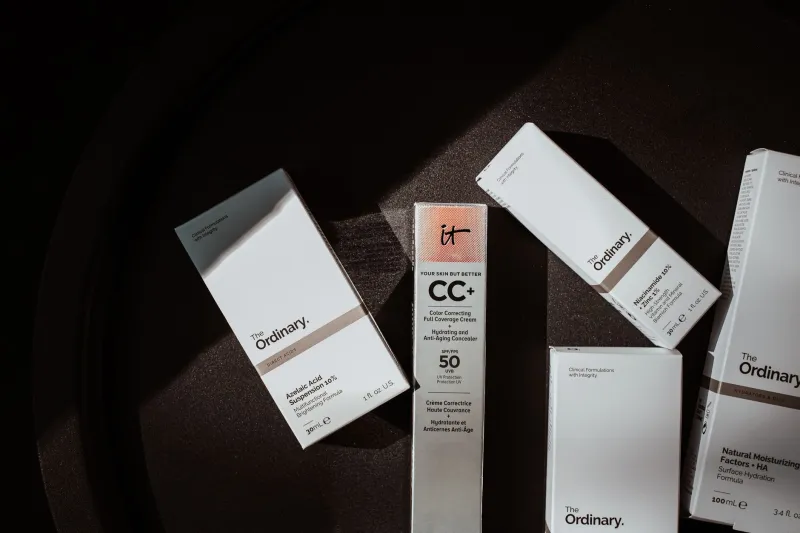
7. The Ordinary Natural Moisturizing Factors + HA. Amino acids, PCA and hyaluronic acid make a strong humectant layer, but there is no ceramide complex and limited occlusion. Layer over a serum and under a richer cream in winter.
8. Neutrogena Hydro Boost Water Gel. Glycerin and hyaluronic acid in a gel that feels refreshing but offers little in wind. Fragrance and dye are worth noting for reactive skin. Better for oily skin in heated rooms than for dry, exposed cheeks.
9. Simple Kind to Skin Hydrating Light Moisturiser. Glycerin and vitamin E in a fragrance-free, light lotion. Pleasant and unlikely to irritate, but the occlusion is modest; not enough for persistent winter dryness.
10. Weleda Skin Food. Lanolin, beeswax and sunflower oil make a genuinely rich salve, but the essential-oil blend is a risk for reactive skin. Good on hands and rough patches; not a first choice for inflamed faces.
11. Nivea Soft. Glycerin and jojoba give a soft finish, but fragrance and, in some variants, alcohol denat. make it less predictable for a compromised barrier. Fine for normal skin; not an audit winner for reactive cheeks.
12. Bulldog Sensitive Moisturiser. Aloe and camelina are pleasant, and the fragrance-free formula is sensible, but the barrier-support section is modest. A serviceable lightweight option rather than a winter repair cream.
What the ranking reveals
Ceramide claims are not equal. The strongest entries pair ceramides with cholesterol, fatty acids or petrolatum, because barrier repair is a lipid story rather than a single-ingredient headline. Occlusion matters in UK winter: a humectant-rich gel can feel hydrating for ten minutes and tight by lunchtime if there is no emollient or occlusive layer to hold water in. Fragrance-free formulas are not automatically superior, but they are easier to recommend when skin is already reactive. Finally, texture is not a trivial concern. A cream that is too heavy for daytime will be used less often, which undermines the formulation on paper.
Winter routines by skin type
Dry skin
Use a glycerin or hyaluronic acid serum on damp skin, follow with a ceramide-rich cream, and add a thin layer of occlusive balm on cheeks and around the nose at night. Avoid very hot showers and central-heating draughts directly on the face.
Reactive skin
Keep the routine short and fragrance-free. Patch-test new products behind the ear for several days. A soothing balm with panthenol or madecassoside is more useful than a multi-acid routine when the barrier is visibly compromised.
Oily skin
Choose a gel-cream with glycerin and niacinamide for daytime, and reserve a richer ceramide cream for night-time or exposed cheeks. Over-cleansing is often the real winter problem for oily skin; a gentle cleanser and a light but occlusive moisturiser will usually serve better than stripping the surface.
Verdict
The strongest winter formulas are not necessarily the most expensive, but they are usually the most legible. Look for ceramides near the top of the list, a lipid or occlusive to support them, and a fragrance-free formula if your skin is reactive. The 2026 UK winter barrier audit favours products that treat moisturising as barrier maintenance rather than a claims exercise.