The December Clock: Hour-by-Hour Skincare for Party Season, Without the Panic Buying

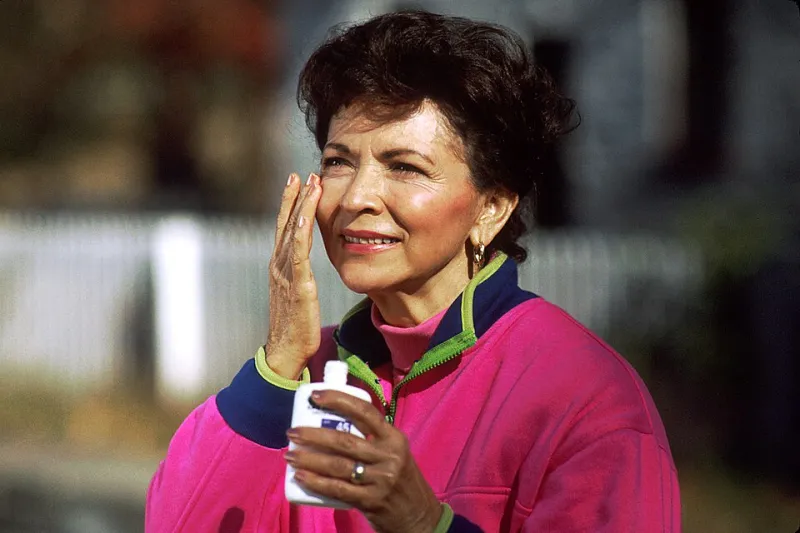
Photo: Hernan Irastorza from Buenos Aires, Argentina, CC BY 2.0, via Wikimedia Commons
Every December the same pattern repeats. Somewhere between the second round of mince pies and the third late finish, a colleague announces that they have bought a £60 overnight peel to "rescue" their skin before the Christmas do. It rarely works, and it is almost never necessary. Party-season skincare is not a product problem; it is a sequencing problem. What follows is a working timeline for the British festive calendar, from the desk at 4pm to the bathroom mirror the following morning.
Four hours before: the groundwork
The single most useful thing you can do for skin on the evening of a party happens well before makeup. Gentle cleansing, followed by a hydrating layer and a moisturiser that actually contains emollients, sets the tone for everything afterwards. Glycerin and hyaluronic acid are the dependable humectants here; squalane, shea butter and simple petrolatum-based balms do the sealing.
What to avoid on the night itself is aggressive exfoliation. A buffered acid toner or a retinoid applied at 5pm before a central-heated venue and three glasses of wine is a reliable route to redness by 10pm. If resurfacing is part of your routine, keep it to a night earlier in the week and give skin a clear run-up.
One step that should not be dropped in December is sunscreen. Ultraviolet A does not observe the British winter, and it penetrates cloud and glass comfortably. A morning SPF remains the most consistent anti-ageing measure available, party or no party.
One hour before: makeup as a barrier decision
Texture layering matters far more than the primer aisle suggests. Heavy silicone primers combined with mattifying powders and dry, heated indoor air tend to produce the flaking that people then attempt to fix with more powder. Cream and liquid formulas generally sit more comfortably on skin that is already slightly dehydrated, and a balm under lip colour prevents the cracked finish that photographs badly under flash.
If a setting spray is part of your routine, look at where alcohol sits in the ingredients list. A small amount as a solvent is unremarkable; a formula built largely on denatured alcohol will leave dry skin tighter by midnight.
At the venue: heat, salt and the 10pm dip
Central heating can drop indoor humidity dramatically, and skin loses water to that dry air all evening. Alcohol adds a second pressure: it dilates the small vessels in the face, which is why so many people arrive pink and leave blotchy. Neither effect responds well to powder. Blotting paper, a light mist if you have one without a heavy fragrance load, and water between drinks will do considerably more than a second layer of foundation.
Resist the urge to touch up over flaking skin. Pressed powder on a dry patch will highlight it rather than conceal it.
The 1am decision point
This is the hour that governs the following morning, and it is almost always where things go wrong. Makeup left on overnight does not simply clog pores; it traps the evening's sweat, sebum and environmental grime against a barrier that is already compromised by heat and alcohol.
A cleansing balm or oil, massaged in and removed with a warm flannel, will lift most long-wear formulas without the tugging that comes from a hastily used wipe. A second, gentle cleanse is sensible if the makeup was heavy. Then stop.
The temptation at 1am is to reach for a corrective active — a retinol, a resurfacing pad, a "detox" mask. This is precisely the wrong instinct. On flushed, dehydrated skin, strong actives convert a mild problem into a week-long one. A straightforward moisturiser, a layer of balm on the lips and a little occlusive around the nostrils is the correct, unglamorous answer.
The morning after: do less, deliberately
Hangover skin does not need a ten-step routine. It needs cool — not hot — water, a non-foaming or low-foaming cleanser, a hydrating serum, and a moisturiser with ceramides, cholesterol and fatty acids in reasonable proportion. If you are leaving the house, sunscreen again.
Avoid physical scrubs for at least 48 hours, and avoid acids for a similar period. Puffiness around the eyes responds reasonably to a cool compress; it does not respond to a fourth layer of eye cream. Caffeine applied topically is a modest vasoconstrictor, but a glass of water and an early night are more reliable.
What to leave on the shelf
December is a gift to marketing departments: rescue masks, overnight peels, brightening ampoules sold on the promise of undoing a month of late nights. Most of these are addressing a problem that a fortnight of consistent sleep would solve, and several of them — high-percentage acids, alcohol-heavy toners, gritty scrubs — actively work against a barrier already under pressure.
Makeup wipes deserve a specific mention. As a primary cleanse they involve enough friction to irritate, and they leave residue. In a hotel room at midnight they are better than nothing; they are not a routine.
The week in between
Between events, the aim is recovery rather than escalation. Alternate evenings of a well-tolerated active with evenings of plain barrier care. Keep the cleanser boring. Drink more water than feels necessary. Skin recovers on a scale of days, not hours, and the person who arrives at the New Year with an intact barrier will look considerably better than the one who spent December chasing it with increasingly strong products.
The festive season is short. A little sequencing will carry you through it far more effectively than a January reparative haul.