The Ten Per Cent Temptation: Judging Niacinamide Serums Beyond the Headline Figure
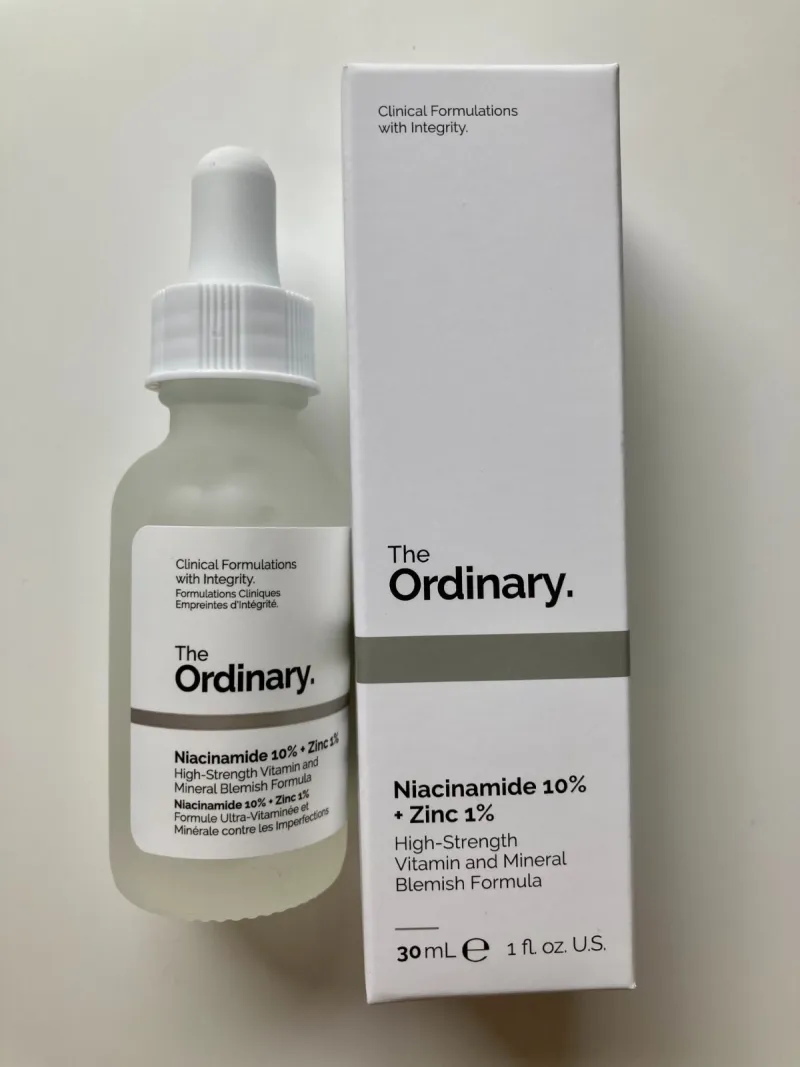
Photo: niacinamide serum bottle UK bathroom shelf close up label, via i.ebayimg.com
Niacinamide has become one of the most familiar ingredients on British beauty shelves, and in 2026 the percentage is often the loudest thing on the front of the carton. A serum may promise 10%, 12% or even 20% niacinamide in type larger than the brand name, framing concentration as a direct measure of ambition. For shoppers in the UK, where high-street launches and premium counters increasingly use the same numerical shorthand, the temptation is to read that figure as a verdict. It is not. A percentage can be a useful clue, but it says remarkably little on its own about tolerability, texture, stability or the skill behind the formula.
The number is a starting point, not a verdict
Niacinamide has a credible body of evidence behind it. It is associated with barrier support, sebum regulation and improved appearance of uneven tone, and it is generally well tolerated across skin types. Yet the research literature does not support the idea that more is always better. Many studies have examined lower concentrations, often in the region of 2% to 5%, and the benefits are not reliably linear as the percentage climbs. A 10% serum is not automatically twice as effective as a 5% one, and it may be less pleasant to use.
There is also the question of what the figure refers to. A brand may state the amount of niacinamide added at manufacture, the amount in the finished formula, or the strength of a broader complex. UK labelling rules require ingredients to be listed in descending order up to 1%, after which order is less prescriptive, but they do not require a headline percentage to be explained in a standardised way. Without context, the number is a marketing fact rather than a clinical one.
Vehicle and pH: the quiet determinants
A serum is not a single ingredient suspended in nothing. The vehicle — the water, humectants, emollients, thickeners and preservatives that carry the active — shapes how the product feels, how well it spreads and how comfortable it is on repeated use. Niacinamide is water-soluble and generally stable in formulations around pH 5 to 7. Very low pH can, in some circumstances, encourage conversion to nicotinic acid, which is associated with flushing and irritation, although this depends on the full formula rather than pH alone.
Texture matters just as much. High concentrations of niacinamide can be tricky to formulate elegantly; they may feel tacky, pill under sunscreen or require additional solvents that alter the sensory profile. A premium serum at 4% may feel refined and layer well, while a high-street serum at 10% may be thicker or more astringent. Neither outcome is guaranteed by the percentage, but the percentage alone cannot tell you which you are buying.
The company the ingredient keeps is equally revealing. Supporting humectants such as glycerin, barrier ingredients such as ceramides and panthenol, or oil-balancing additions such as zinc PCA can make a formula more considered. Conversely, a long list of actives, fragrance or drying alcohol may complicate tolerability for some skin types. The question is not simply how much niacinamide is present, but what the rest of the formula is doing.
High street versus premium: two uses of the same figure
In the UK, percentage claims are used differently across price points. High-street launches often lean on the figure as a value story: a recognisable active at a conspicuous strength, available at an accessible price. That can be a genuine transparency move, and some affordable serums are sensibly formulated. But the number can also distract from a simple base, a less refined texture or a lack of supporting evidence.
Premium launches sometimes take the opposite approach, using a lower percentage while investing in delivery systems, sensory finish and consumer testing. That can produce a more wearable product, but it is not a guarantee of superiority. A department-store serum may still headline a number, or it may use vague language such as ‘a potent concentration’ that is harder to audit. The useful comparison is not high street versus premium in the abstract, but formula versus formula at a given price.
A label-reading checklist for UK shoppers
Before a niacinamide serum earns shelf space, read the carton as a whole. First, locate niacinamide in the INCI list. Its position gives a rough sense of prominence, though ingredients below 1% can appear in any order. Second, ask what the headline percentage refers to: added amount, finished formula or a complex. If the brand cannot say, treat the figure as promotional.
Third, inspect the vehicle. Are there humectants, emollients or barrier-supporting ingredients that suit your skin? Is there fragrance or drying alcohol if you are sensitive? Fourth, look for a stated pH if the brand provides one, but do not become fixated; the full formula matters more than a single value. Fifth, consider texture and packaging. A product that pills or feels uncomfortable is unlikely to be used consistently, and consistency is what makes a serum worth buying.
Finally, compare price per millilitre, check the returns policy and patch test. A 10% serum at a low price is not a bargain if it irritates, and a 5% serum at a high price is not automatically worth the premium. The percentage is one line in a longer argument.
The shelf-space verdict
In 2026, the most useful question is not ‘how strong is it?’ but ‘10% of what, in what, and to what end?’ A well-formulated niacinamide serum should offer a clear concentration rationale, a vehicle suited to its claimed benefits and a texture you will actually use. The headline number can start the conversation. It should not end it.