The Quiet Label: Why 'Sensitive' and 'Clean' Still Say Very Little About a Formulation

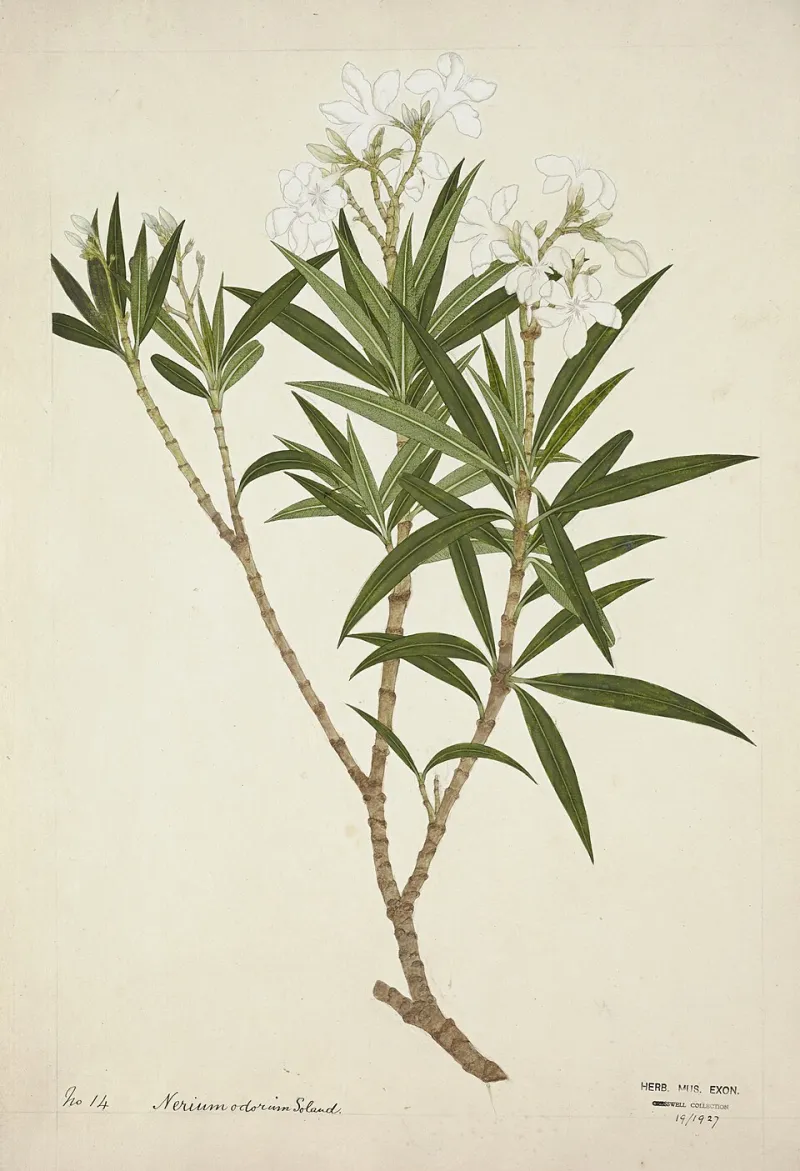
Photo: James Mutter, CC BY-SA 4.0, via Wikimedia Commons
Walk through any British pharmacy beauty aisle and you will find a shelf that appears to have been written by a committee of people who care deeply about your comfort. Fragrance-free. Clean. Kind to skin. Dermatologically tested. Paediatrician approved. The language is soothing, and almost entirely unregulated in any meaningful sense.
This is not a conspiracy; it is a labelling vacuum. In the UK, terms such as "clean" and "gentle" carry no legal definition. "Fragrance-free" is more precise but narrower than most shoppers assume. And "sensitive skin" describes a symptom rather than a formulation standard. A product can satisfy every one of these claims and still contain the ingredient that is causing your cheeks to sting.
What fragrance-free actually covers
Under UK cosmetics labelling, fragrance components must be declared on the ingredients list when they exceed specified thresholds, and this obligation survives in retained EU-derived regulation. A genuinely fragrance-free formula contains no added perfume. A formula marketed as fragrance-free may still include a masking fragrance to neutralise the smell of a raw material — legally permitted, and not always disclosed as "parfum".
More importantly, several of the most common contact allergens are fragrance components that appear in botanically derived ingredients. Limonene, linalool, citronellol and geraniol are found in essential oils and in some plant extracts, and they are among the substances most frequently implicated in allergic contact dermatitis. A formula containing lavender oil and no synthetic perfume can still be accurately described as fragrance-free in spirit while delivering exactly the sensitisers that a sensitive-skin shopper is trying to avoid.
The botanical blind spot
The belief that plant-derived ingredients are inherently gentler is one of the more durable assumptions in British beauty retail, and the evidence does not support it. Essential oils are chemically complex mixtures; tea tree, peppermint, eucalyptus and citrus oils are all recognised irritants at sufficient concentration. Extracts such as witch hazel, rich in tannins and often distilled with alcohol, can be astringent. "Natural" describes origin, not tolerability — hemlock is natural.
None of this means botanical ingredients are unsafe. It means the word "botanical" should not function as a reassurance, and a sensitive-skin routine built on floral waters and essential-oil blends is often built on sand.
Preservatives: the necessary irritant
Here the "clean" movement has done measurable harm. Preservatives are among the most scrutinised ingredients in cosmetic chemistry precisely because they are biologically active — that is the point. When brands remove them to satisfy a clean-beauty claim, water-containing products become a growth medium, and formulators reach for alternatives.
Methylisothiazolinone is the cautionary tale. Restricted in the UK and EU for leave-on products following a well-documented rise in contact allergy, it remains a potent sensitiser. Formaldehyde-releasing preservatives, still permitted within limits, are another frequent culprit in patch-test clinics. Meanwhile phenoxyethanol and the parabens that clean marketing spent a decade demonising remain among the better-tolerated options available.
The practical implication is uncomfortable: a product that claims to be preservative-free is not automatically gentler, and a product containing phenoxyethanol is not automatically harsh.
pH, surfactants and the barrier
Skin sits at roughly pH 4.7 to 5.5, and the enzymes responsible for maintaining the stratum corneum function best in that range. Traditional alkaline soaps push the surface pH up for a period after washing, which is why they can leave skin feeling tight. Syndet bars and mildly acidic liquid cleansers are generally kinder, though not universally so.
Surfactants deserve equal scrutiny. Sodium lauryl sulfate is a well-known irritant; its gentler relatives — cocamidopropyl betaine among them — are better tolerated but not inert, and the latter is itself a recognised allergen in a minority of people. Frequent foaming cleansers, hot water and cleansing twice in succession compound the effect.
Who is most at risk
Reactive skin is not one condition. People with a diagnosed barrier disorder such as rosacea or atopic dermatitis have a compromised stratum corneum and absorb irritants more readily. Those using prescription retinoids or undergoing professional peels have a temporarily reduced tolerance. Peri-menopausal and post-menopausal skin thins and loses lipids, becoming less resilient to the same formula that suited it five years earlier. And anyone layering multiple actives — an acid toner, a retinoid and a vitamin C serum in the same evening — is manufacturing irritation regardless of what each individual product promises.
Building a genuinely low-irritation routine
The workable approach is unfashionably dull. Shorten the routine. Choose fragrance-free formulas that avoid essential oils rather than merely avoiding synthetic perfume. Keep one cleanser, one moisturiser, one sunscreen and, if needed, one active, and introduce them one at a time with a gap of a week or so.
Patch testing remains worthwhile, though the standard behind-the-ear method is imperfect for facial products. Apply a small amount to the jawline for several consecutive days and note any reaction beyond the first hour.
Finally, treat the claim architecture with suspicion. "Dermatologically tested" means a dermatologist was involved, not that the product was tested on sensitive skin or that the results were favourable. "Hypoallergenic" has no agreed definition in UK law. "Clean" is a marketing word wearing a laboratory coat.
The sensitive skin shelf is not dishonest so much as quiet — it tells you what it would like you to feel, and leaves the formulation to speak for itself. The useful skill, in 2026, is reading the back of the box and ignoring the front.