The Occlusive Glaze: Reading UK Lip Oils for What They Hold, Not Just How They Shine
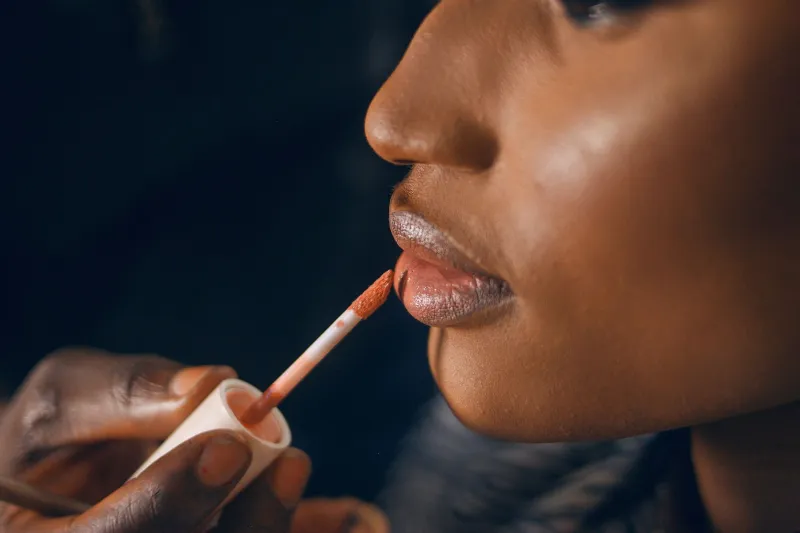
Lip oils are now a fixture of the UK beauty shelf, from high-street chemists to department-store beauty halls. Their appeal is easy to understand: colour, shine and the suggestion of care in a single wand. Yet the category is less coherent than the name implies. A lip oil may be an anhydrous blend of plant oils and waxes, a silicone-rich gloss with a trace of jojoba, or a tinted emulsion that behaves more like a lightweight lipstick. The useful question is not whether a product feels pleasant, but what it actually holds at the lip surface.
A Category Without a Fixed Definition
There is no single formula template for a lip oil. In practice, the name describes a texture and a marketing position rather than a guaranteed composition. This matters because the word oil can appear on the front of the pack while the ingredient list tells a different story. The first five ingredients are the most revealing: they indicate whether the product is built around occlusives, emollients, humectants, waxes or film formers. A formula that leads with hydrogenated polyisobutene and polybutene is likely to provide gloss and a substantial film. One that leads with castor oil and jojoba may feel more fluid and less sealing. Neither is automatically better, but they do different jobs.
Claims such as nourishing, conditioning and repairing are common in the category. They are not meaningless, but they are not precise. For a UK shopper, the more practical approach is to decide what the product needs to do: add colour, reduce the feeling of tightness, protect against winter wind and central heating, or sit under a lipstick without disturbing it. A lip oil can be useful for all of these, provided its ingredient list supports the intended role.
The Water-Loss Test: Occlusives, Emollients and Humectants
The phrase seal in is often used loosely. In formulation terms, the relevant idea is transepidermal water loss, or TEWL. Occlusive ingredients reduce water loss by forming a film on the surface. Petrolatum, mineral oil, polyisobutene, hydrogenated polyisobutene, dimethicone and various waxes are familiar examples. They are not glamorous, but they are effective at limiting moisture loss, which is why they appear in many balms and overnight lip treatments.
Emollients improve the feel of the surface and make it more supple. Jojoba, squalane, castor oil, shea butter and triglyceride-rich plant oils fall into this broad group. They can soften the lips and improve comfort, but an emollient oil is not necessarily a strong occlusive. Castor oil is relatively viscous and can feel substantive; jojoba is lighter. Shea butter and waxes add body. The distinction matters in a British winter, when cold air outdoors and dry heat indoors can make a light, fast-absorbing oil feel insufficient within an hour.
Humectants such as glycerin, honey, panthenol and hyaluronic acid draw water towards the surface. They can be helpful in a well-balanced formula, but they need an occlusive or emollient phase to prevent that water from being lost again. A humectant-heavy lip product with little sealing power may feel hydrating at first and tight later. This is why the best lip oils tend to combine both approaches: something that attracts water and something that holds it in place.
High Street, Premium and the Ingredient List
Price is not a reliable guide to occlusivity. A modest high-street gloss may use mineral oil, petrolatum or a silicone film former and perform well as a barrier. A premium oil may use cold-pressed plant oils and still rely on a lightweight wax for structure. The more useful comparison is between formulas, not price tiers. Look for occlusive ingredients near the top of the list if sealing is the goal. Look for waxes such as beeswax, candelilla or carnauba if you want a product to stay put. Look for emollient oils if the priority is comfort and slip.
The tint deserves separate attention. Many lip oils carry pigment, and a thin oil base can make a tint feel comfortable while it lasts. But long-wear or matte-adjacent products sometimes rely on film formers, volatile silicones and lake dyes that can leave lips feeling dry after removal. A product described as nourishing is not exempt from this. If the oil phase is thin and the colour is strong, it is worth asking whether the formula is designed primarily for wear time rather than barrier support.
The Irritants Behind the Tingle
The UK shelf has seen a rise in lip products that promise a plumped look. Some of this effect is achieved with irritants rather than hydration. Menthol, menthone, peppermint oil, camphor, cinnamon, ginger and capsicum can produce a tingling or warming sensation, which is often presented as evidence that a product is working. It is not. For many people, especially those with sensitive or cracked lips, these ingredients can aggravate the very dryness the product claims to address.
Fragrance and essential oils are another point to check. Limonene, linalool and citronellol may appear as fragrance components, and citrus oils can be irritating on compromised lips. Lanolin is an effective occlusive for many, but it is not suitable for everyone. Castor oil is a common base in lip products and is generally well tolerated, though individual reactions occur. The presence of vitamin E is often used to suggest care, but it is an antioxidant, not a substitute for a properly balanced occlusive system.
A Practical Read of the UK Shelf
Start with the first five ingredients and identify the product's main job. If the list opens with polyisobutene or hydrogenated polyisobutene, expect a glossy film and some sealing. If it opens with castor oil and jojoba, expect a lighter, more fluid feel. If waxes appear early, expect more structure and longer wear. Then look for humectants and check whether an occlusive or emollient phase is present to support them. Finally, scan for tingling agents, fragrance components and dyes that may not suit sensitive lips.
For daytime use, a thin layer under or over lipstick can be enough. For overnight care, a thicker balm or a lip oil with petrolatum, shea butter or wax may be more useful. Reapplication after eating and drinking is normal; no lip oil can seal indefinitely. In 2026, the category is broad enough to suit most preferences, but the marketing is not a formulation guide. The gloss is the easy part. The seal is the claim worth checking.