Amber Alerts: Reading a Vitamin C Serum’s Colour Shift on the UK Shelf
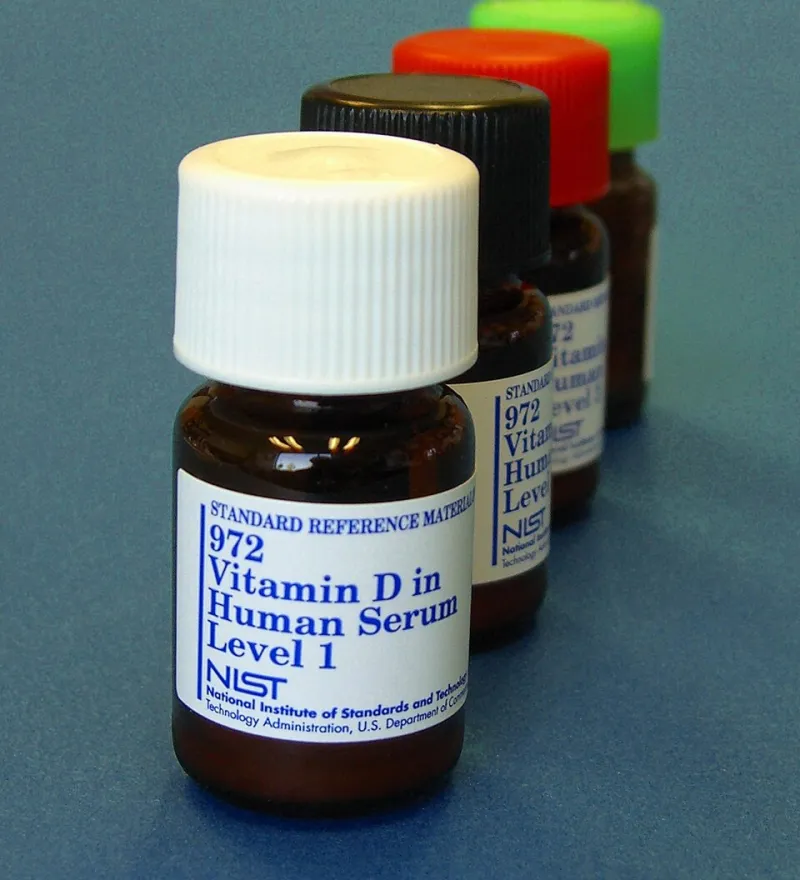
Photo: National Institute of Standards and Technology, Public domain, via Wikimedia Commons
Vitamin C serums occupy an awkward place in the UK bathroom cabinet. They are sold on the promise of brightness and antioxidant support, yet many are formulated with L-ascorbic acid, an ingredient that begins to change colour as it oxidises. The result is a familiar dilemma: a serum that looked pale and pristine at purchase now has a distinct amber tint. Should it be kept, used up quickly, or retired?
The answer is rarely a simple yes or no. Colour is a useful signal, but it is not a verdict on its own. A serum can darken slightly while retaining meaningful activity, and a serum can look acceptable while suffering from other problems. For 2026 shelves, the sensible approach is to read the colour shift alongside packaging, storage, smell and texture—not in isolation.
What the Colour Change Actually Represents
L-ascorbic acid is water-soluble and inherently reactive. In the presence of oxygen, light, heat and certain metal ions, it oxidises. The first stage is often a pale yellow tint; further oxidation can push the formula towards amber and then brown. This is why a clear vitamin C serum rarely stays water-clear forever.
The presence of colour does not, by itself, quantify how much L-ascorbic acid remains. Nor does it tell you whether the formula was stabilised with other antioxidants, chelators or pH adjusters. A pale straw hue in a freshly opened bottle may be within normal variation, particularly where the formula contains botanical extracts or other coloured ingredients. A deep amber or brown tone is a stronger warning that the formula has degraded.
It is also worth distinguishing between a formula that has changed colour and one that was never colourless to begin with. Some vitamin C products use derivatives rather than L-ascorbic acid, and some include ingredients that lend a natural tint. The colour code only works when you know what the serum looked like when new.
Packaging Is the First Line of Defence
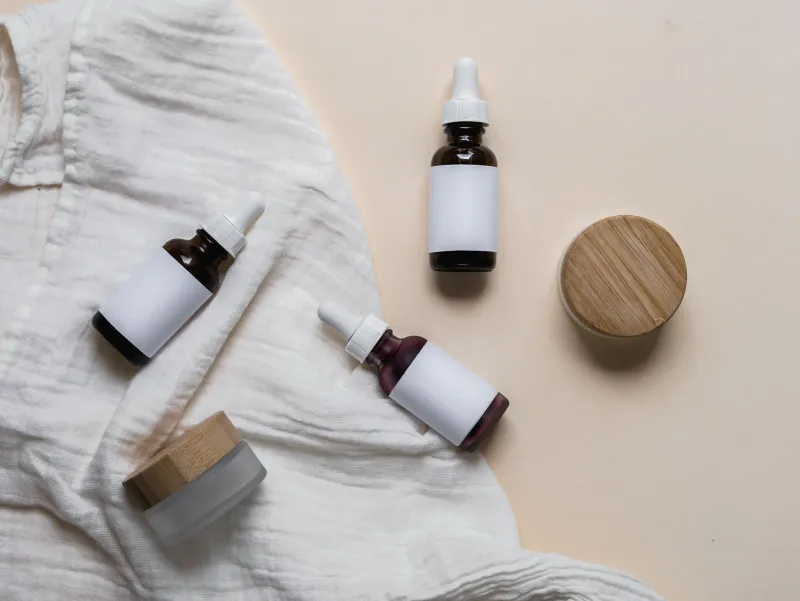
Packaging determines how much oxygen and light the formula meets before it reaches your skin. A clear glass bottle with a dropper is the most transparent option—literally and figuratively. It lets you see the colour change, but it also exposes the serum to light, and every dropper insertion introduces air. That does not make clear bottles inherently bad, but it does mean they demand more careful storage and a faster turnover.
Amber glass offers some filtration against light, though it is not a complete barrier. Airless pumps are generally more protective because they limit headspace and reduce repeated exposure to air. Water-free formats—anhydrous oils, silicone suspensions or powder-to-serum products—sidestep much of the hydrolysis risk that affects water-based L-ascorbic acid formulas. They may suit travellers or those who know they will not use a serum quickly, but texture and skin feel can differ markedly from a conventional watery serum.
No format is invincible. An airless pump left on a sunny windowsill will still deteriorate, and a water-free formula can still oxidise at the surface. Packaging buys time; it does not stop chemistry.
The British Bathroom Is a Hostile Environment
UK bathrooms are often small, warm and steamy. A serum stored on a shelf above the shower or beside a radiator is being asked to withstand heat, humidity and repeated temperature swings. Add a south-facing window and the conditions become particularly unforgiving.
A dark cupboard away from direct heat is usually the better choice. Some people refrigerate vitamin C serums, which can slow oxidation, but condensation and repeated warming should be considered. If you do refrigerate, keep the bottle tightly closed and allow it to reach room temperature before use. Avoid decanting into smaller bottles unless absolutely necessary; every transfer introduces air and contamination risk.
A Four-Step At-Home Audit
A sensible audit starts with the date. Check the period-after-opening symbol and note when the product was first used. A serum opened many months ago is a different proposition from one opened last week.
Colour. Place a drop on a white ceramic tile or white paper in natural light. Pale yellow may be acceptable; deep amber, brown or a murky tone is a reason to stop. If the bottle itself is amber, judge the drop rather than the bottle.
Smell. A faint metallic or sour note can be normal for L-ascorbic acid. A sharp, stale, cardboard-like or otherwise offensive smell suggests degradation. Trust your nose, but do not expect a pleasant fragrance—many effective vitamin C serums do not smell like much at all.
Texture. Look for grit, cloudiness, separation or a film that was not there before. A formula that has changed physically is unlikely to behave predictably on skin.
pH strips. These can offer a rough indication, but they are not laboratory tools. L-ascorbic acid is generally formulated at a low pH, often below 3.5, and wide-range strips are imprecise. Use them as a broad check, not as a definitive test. If the strip suggests a unexpectedly high pH and the serum has also darkened, retire it.
When to Keep, When to Replace
A serum that is still within its period after opening, has only a slight straw tint, smells normal and feels smooth can reasonably be used up—promptly. Keep it cool and dark, and avoid leaving the cap off.
A serum that has turned distinctly amber or brown, smells off, has separated or irritates the skin should be replaced. Do not try to dilute it, mix it with water or add other ingredients to revive it. If your skin stings or reddens where it previously did not, stop using it.
For 2026, the most practical buying strategy is to choose a format that matches your habits: a smaller bottle if you are inconsistent, an airless pump if you want extra protection, or a water-free format if you know a water-based serum will linger. Colour is a conversation starter, not a final judgement. Read it alongside the rest of the evidence, and let the formula earn its place on your shelf.