Decanting Doubts: The Hygiene and Preservative Audit of UK Skincare Refills in 2026
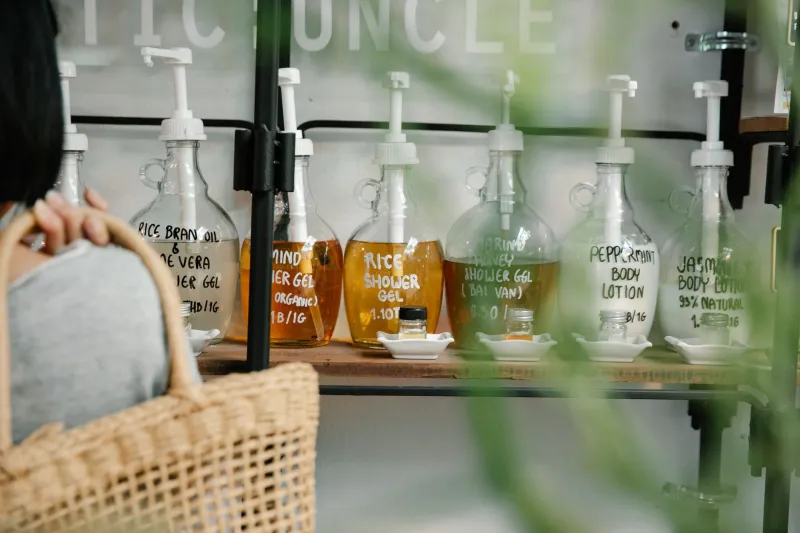
Refill stations have moved from the margins of the UK beauty floor to the middle of it. In 2026, the question is no longer whether refillable skincare is available, but whether the bottle on your shelf is a hygienic vessel or a quiet incubator. The arithmetic is seductive: less packaging, a lower cost per millilitre, a smaller bathroom bin. The microbiology is less photogenic.
The formula does not know it has been refilled
A preservative system is designed and tested for a specific container, a specific use pattern and a specific period after opening. Manufacturers run preservative efficacy tests, often called challenge tests, in which a formulation is inoculated with microbes and monitored over time. Those tests assume a closed pack, a clean first fill and a consumer who does not add tap water, fingers or yesterday's leftovers.
Repeated decanting breaks that assumption. Every time a bottle is opened at a refill station, emptied and refilled, it takes in oxygen, airborne spores and whatever remains on the bottle neck. If the bottle has not been dried fully, residual water dilutes the formula and raises water activity. If the previous product was a water-based lotion and the new one is a different formula, the residue can alter pH and challenge the preservative system in ways the original test never modelled.
This does not make refills inherently unsafe. It makes them a different hygiene proposition. Anhydrous balms, oil cleansers and solid formats present a lower risk because they contain little or no free water. Water-based toners, gels, lotions and serums are the higher-stakes category, particularly where the preservative system relies on a narrow pH window or on chelating agents such as EDTA or phytic acid to keep trace metals in check.
The cost per millilitre is not the whole sum
UK refill prices can undercut the original pack by a meaningful margin, often in the region of 15 to 30 per cent, and that saving is real. But the cost per millilitre is not the same as the cost per use. Add the hot water and detergent used to clean the bottle, the time spent drying it, the occasional replacement pump and the product lost to a bottle that never quite dries. Add, too, the risk of a formula spoiling early because the preservative system has been asked to work harder than it was designed to.
High-street chains and specialist refill retailers have made the model more mainstream. Beauty Kitchen, Lush and The Body Shop have normalised return-and-refill language, while selected pharmacy and grocery fixtures have experimented with refill stations. The convenience is improving, but the hygiene responsibility still lands with the consumer. A refill station is not a sterile filling line; it is a retail format that depends on sensible behaviour after the till.
Cleaning is the active ingredient nobody lists
The most useful refill routine is boring and thorough. Empty the bottle completely. Rinse it with warm water. Wash it with hot soapy water and a bottle brush, paying attention to the neck, cap and pump mechanism. Rinse again until no detergent residue remains. Then dry it completely, upside down, with the cap off, in a well-ventilated space. Do not refill a damp bottle. Do not top up old product with new. Do not mix two formulas in one vessel.
Where a retailer supplies specific cleaning or sanitising instructions, follow them. Where none exist, treat the bottle as you would a reusable water bottle: clean it after every fill, dry it properly and retire it if the interior becomes scratched, cloudy or difficult to clean. Avoid harsh household disinfectants unless the packaging explicitly permits them, because residues can migrate into the next formula. A fragrance-free washing-up liquid and thorough rinsing are usually more appropriate than a scented kitchen cleaner.
What the label can and cannot tell you
UK labels are useful but limited. Look for the period-after-opening symbol, the batch code and any refill-specific guidance. A refillable bottle is not sterile; it is a controlled environment at best. Brands that sell refill systems should state how often the bottle should be replaced, which formats are suitable for refilling and whether the preservative system has been tested for repeated use. If that information is absent, the consumer is being asked to improvise.
Be especially cautious with preservative-free formulas, high-water-content mists and products built around unstable actives. Vitamin C serums and retinol formulas are poor candidates for repeated decanting because oxidation and microbial risk both rise when the pack is opened repeatedly. A simple cleanser or body lotion in a well-cleaned bottle is a far more sensible refill candidate than a delicate serum.
A practical UK protocol
British bathrooms are often small, humid and sometimes supplied with hard water. Store refill bottles away from the shower, where steam and splashes are constant. Dry the bottle fully before refilling, and keep the cap clean. Date the fill if the retailer does not. If the product changes colour, smell or texture, discard it rather than topping it up. Refills can be a sensible part of a lower-waste routine in 2026, but only when the hygiene maths is done as carefully as the cost maths. The bottle is not the formula. It is the formula's first line of defence.